
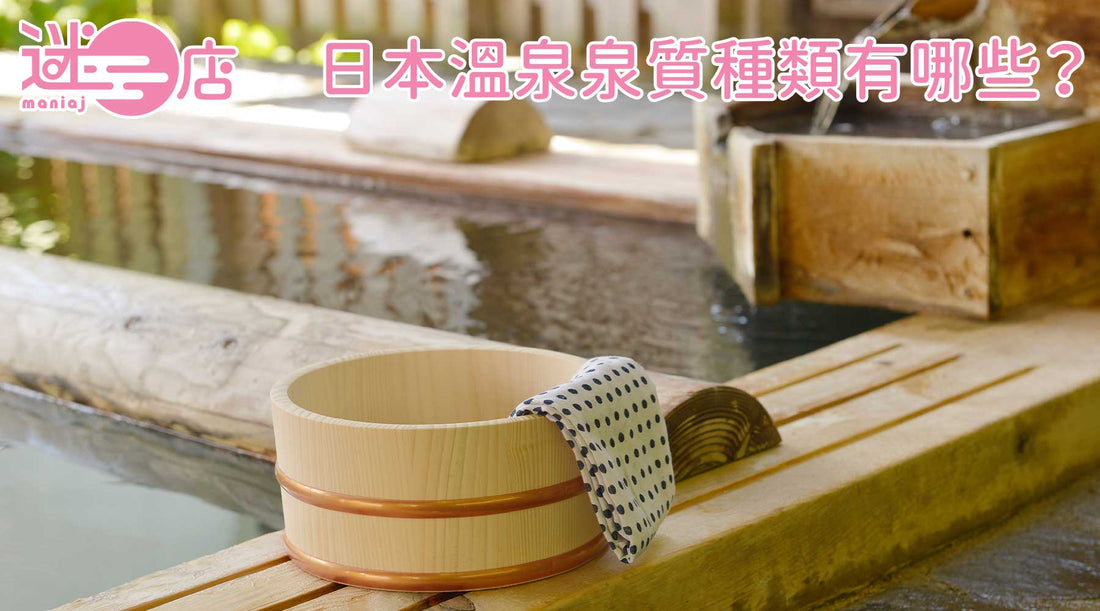
What are the types of hot springs in Japan? A must-read for hot spring lovers: comparison of hot springs and their therapeutic effects!

Japan is one of the most famous hot spring resorts in the world. Hot springs not only relax the body and mind, but also have significant healing effects. Whether you want to relieve stress, improve skin conditions, or treat various physical discomforts, hot springs have always been an important part of Japanese culture. There are many types of hot springs in Japan , and each type of hot spring has its own unique therapeutic effect . By comparing the mineral components in hot springs , you can understand their different effects.
However, not all hot spring water is the same. Understanding the characteristics of each hot spring quality can help us choose the hot spring that best suits our health needs. Below, Mi Ridian will introduce the various types of Japanese hot springs and explore their different health effects, so that you can better choose the hot spring according to your needs.
What is a "hot spring"? Japan actually has a "hot spring law" to regulate it!
"Onsen" is not just a pool of warm water. According to Japan's "Hot Springs Law", hot springs must be naturally flowing water and meet one of the following conditions:
- When gushing out, the temperature reaches above 25°C
- Contains specific minerals or ingredients specified by law (such as iron, hydrogen ions, sulfur, etc.)[1]
In addition to warm or hot water that gushes out from the ground, water vapor and mineral water can be called hot springs as long as they meet the above conditions. Therefore, some steam baths, mud baths, and even low-temperature cold springs can also be a type of "hot spring" as long as they contain specific substances or reach a certain temperature. This definition of the Japanese government means that "hot springs" are not determined by a single factor such as liquid/gas form, temperature, or type of hot spring quality, and it is protected by law.
The History of Japanese Onsen: A Blend of Tradition and Modernity
Japanese hot springs have a long history. As early as BC, the Japanese began to use hot springs to treat various diseases. The history of hot springs in Japan can be traced back to the oldest Japanese documents, such as the Kojiki and Nihonshoki, which also have records about hot springs. It can be seen that hot spring culture is deeply rooted in Japanese culture. Whether it is a natural hot spring in the suburbs or a modern hot spring resort, hot springs have always been a part of Japanese culture, and the therapeutic effects of hot springs are also deeply trusted by the Japanese.
Introduction to the types of hot springs in Japan
Can hot springs cure all diseases? A research team led by Satoshi Yamazaki, a lecturer in the Department of Immunometabolism at Kyushu University Hospital in Japan, published a survey report that found that soaking in hot springs at night can reduce the incidence of high blood pressure. [2]
Each type of Japanese onsen has unique healing properties that can be used to treat different health needs. From relaxing the body and mind to treating skin problems, different types of onsen have their own unique characteristics. Let’s take a closer look at the main types of Japanese onsen and their health effects.
Simple hot spring

Simple hot springs are the most basic type of hot springs . The water has no obvious mineral components and is mainly composed of water vapor and water molecules. This type of hot spring water has a higher temperature and has a certain effect on relaxing the body and mind and relieving fatigue. Since simple hot springs have no special mineral therapeutic effects , they are suitable for people who simply want to relax.
Chloride Springs

Chloride spring water is rich in salt components such as sodium chloride and potassium chloride. These components have a significant effect on relieving muscle and joint pain, especially for people with arthritis, rheumatism and other problems. Chloride springs have a good heat preservation effect, can effectively maintain water temperature, help relax muscles and eliminate fatigue.
Atami, not far from Tokyo, is a famous hot spring area. The main spring quality is sodium calcium chloride hot spring. BATHCLIN Japan's famous hot spring Atami hot spring bath additive can instantly take you back to the Atami hot spring area surrounded by mountains and sea.
Bicarbonate spring

Bicarbonate springs contain bicarbonate. This type of hot spring water can improve blood circulation and promote metabolism. It has a protective effect on the skin and can effectively improve blood circulation and relieve muscle fatigue. It is helpful for skin allergies or dryness, and is especially suitable for people who have health and beauty needs.
Beppu has the largest amount of hot springs in Japan and second in the world. There are a wide variety of hot springs, from chloride springs to sodium bicarbonate springs. There are even studies that show that the local hot springs can treat skin diseases. [3] BATHCLIN Japan's Famous Hot Spring Beppu Onsen Bath Additive allows you to relive the special hot springs of Beppu and relax your body and mind.
Sulfate springs

Sulfate spring water contains high concentrations of sodium sulfate or potassium sulfate. These minerals are very effective in treating skin diseases, especially eczema, psoriasis and other skin problems . This kind of hot spring water is relatively clear, which can deeply cleanse the skin when bathing, and has a good effect on relieving muscle fatigue and relaxation.
Noboribetsu Onsen is a large hot spring town in northern Japan. It is famous for its 10 different types of hot springs , including sulfate springs. You can experience this at home with BATHCLIN Noboribetsu Onsen Bath Additive .
Carbonated spring

Carbonated springs are rich in carbon dioxide gas, which causes bubbles to form in the water. This type of spring water is particularly effective in promoting blood circulation and relieving muscle fatigue, and has a significant therapeutic effect on whole body relaxation and pain relief . Carbonated springs are very helpful for muscle recovery after long hours of work or strenuous exercise.
Iron spring

The water of the iron spring contains dissolved iron, which has a significant effect on improving anemia symptoms and is also beneficial for skin repair. Long-term soaking in the iron spring can help promote blood circulation and enhance immunity, which is especially beneficial for people with weak blood.
Acidic spring

The pH value of acidic spring water is slightly acidic, and this type of spring water has a very good effect on skin problems such as oily skin and acne. Acidic springs can help clean skin pores, kill bacteria and anti-inflammatory, and are very effective in treating oily skin and acne . The hot spring characteristics of this type of spring also help maintain the refreshing feeling of the skin.
Iodine spring
The water in the iodine spring contains iodide, which is effective in treating thyroid problems and enhancing immunity . This hot spring also helps to promote skin health, has an auxiliary effect on skin care and treatment of allergic symptoms, and can also enhance the human immune system and improve endocrine conditions.
Sulphur Springs

Sulfur springs are rich in sulfur and are ideal for treating skin diseases, rheumatism, etc. The water quality of sulfur springs helps to promote blood circulation, relieve muscle pain, and has a very good effect on cleaning the skin and improving allergies. It is also a type of hot spring with significant therapeutic effects on skin inflammation and joint pain .
Radioactive Fountain

The radioactive spring contains trace amounts of radioactive elements, which have a certain effect on promoting metabolism and improving the immune system. The water of the radioactive spring has a relieving effect on long-term fatigue, neurasthenia, etc., but it is not suitable for everyone and needs to be used with caution.
Comparison of the therapeutic effects of Japanese hot springs
The above introduces the types of hot springs in Japan , but they can also be classified according to the therapeutic effects of hot springs . By choosing hot springs according to different therapeutic needs , we can achieve the best results , including relieving muscle fatigue, improving skin and improving physical health. Comparing and understanding the characteristics of different hot springs will enable us to better choose the right hot spring. The following is a comparison of hot springs according to different therapeutic effects :
- Skin care: sulfur springs, bicarbonate springs, acidic springs, iron springs
- Improve anemia: Iron springs, bicarbonate springs
- Relaxation: Carbonate springs, chloride springs, bicarbonate springs
- Relieve skin diseases: sulfur springs, sulfate springs, iodine springs
- Relieve joint pain: Chloride springs, salt springs, sulfur springs
- Preventing high blood pressure: Carbonate springs, radioactive springs, chloride springs
Want to compare the quality of multiple hot springs at once? The Secret Hot Spring Journey Japan Famous Hot Spring Bathing Agent Gift Set brings together secret hot springs from many classic hot spring areas in Japan, allowing you to enjoy them at home and relax your body and mind.
What is the difference between a bath and an onsen?
When booking a hotel in Japan, many people are confused about whether the hotel has a hot spring. In Japanese, "furo" refers to an ordinary bath or public bath, where the water provided is heated tap water; while "onsen" refers specifically to water from a natural, mineral-rich source. The difference between the two lies mainly in the water quality and source. The water in the furo is generally ordinary tap water and has no special therapeutic effects; while hot spring water comes from a natural underground water source and contains specific mineral components that can improve the skin, relieve fatigue, and even treat certain physical diseases.
Who is suitable or not suitable for taking a hot spring bath?
Although hot springs are a relaxing experience for most people and have many health benefits, they are not suitable for everyone. In particular, people with health problems such as heart disease, high blood pressure, and skin diseases should consult a doctor before taking a hot spring bath. For pregnant women or the elderly, taking a hot spring bath for a long time may cause discomfort, so they also need to pay special attention.
Generally speaking, a moderate hot spring bath can relax muscles, promote blood circulation and relieve stress, but if you are not in good health, you should avoid excessive soaking.
Japanese hot spring etiquette - respect culture and experience the complete hot spring culture
Taking a hot spring bath is not only about relaxing your body and mind with hydrotherapy, but also a cultural experience. When taking a hot spring bath in Japan, you need to follow Japanese etiquette to show respect for others and Japanese culture, including:
- You need to clean your body before entering the bath.
- Keep quiet in the bath and avoid loud conversations
- Do not bring mobile phones into the bathing area
- Only bring a small towel into the bath
- Don't put your hair in the hot spring
By following the above rules, everyone who bathes can enjoy the warm spring water and the peaceful time.
Mi Ridian brings you bath products directly from Japan
There are many types of hot springs in Japan, and each type has its own unique therapeutic effect. Comparing the characteristics of different hot springs can help you choose the hot spring that best suits your needs. Hot springs are a way to relieve stress, rejuvenate, and even heal your body and mind. Want to take a hot spring bath at home? Go to the MiRi store website now to purchase the Japanese bathing agents we carefully selected for you and enjoy the hot springs directly from Japan.
References:
[1] Hot Spring Law (Law No. 125 of Showa 23)
https://laws.e-gov.go.jp/law/323AC0000000125
[2] Night-time hot spring bathing is associated with improved blood pressure control: A mobile application and paper questionnaire study
https://pmc.ncbi.nlm.nih.gov/articles/PMC11530088/
[3] Anti-inflammatory effects of Beppu Onsen microalgae strain RG92
https://www.saravio.jp/about/laboratory/hss/