
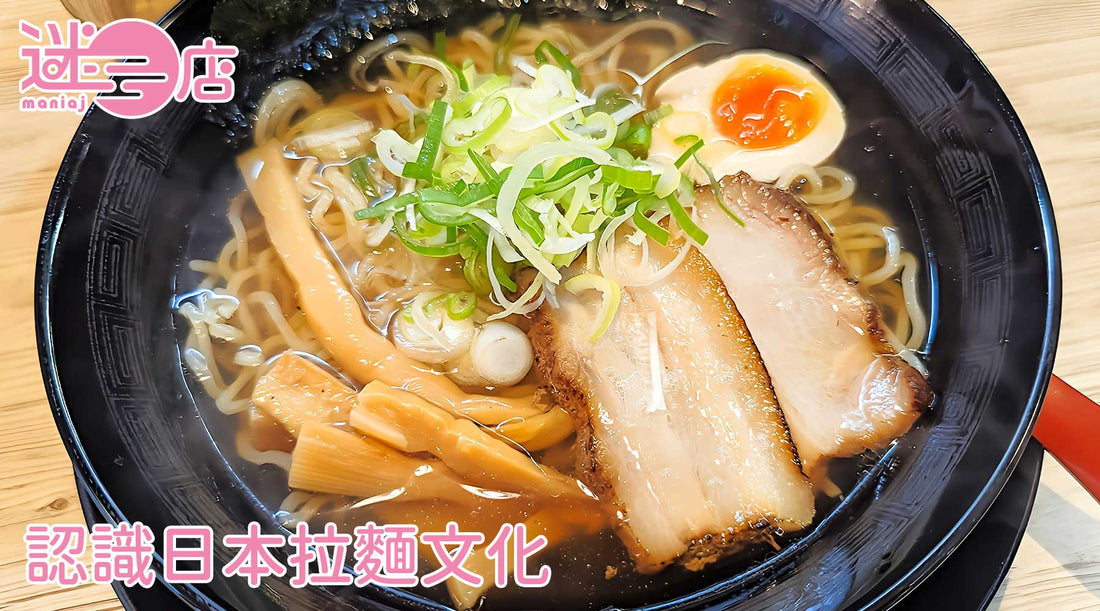
Understanding Japanese Ramen Culture: Introduction to Japanese Ramen Schools and Noodle Types
When it comes to Japanese cuisine, ramen is definitely one of the most representative national delicacies. From street shops to Michelin-starred ramen restaurants, Japanese ramen is loved by locals and tourists for its varied soup bases, rich ingredients and regional flavor differences. Although ramen originated from Chinese noodles, after more than a century of evolution in Japan, it has developed its own unique Japanese ramen culture and food philosophy. There are many types of ramen noodles. This article will introduce different types of Japanese ramen so that you can better appreciate the taste of ramen. Whether it is the soy sauce ramen in the Kanto region, the miso ramen in Sapporo, Hokkaido, or the cloudy tonkotsu soup in Hakata, Kyushu, each bowl contains the local customs and craftsmanship.
Japanese Ramen Types
As early as 1910, Japan's first ramen specialty store "Railaiken" opened in Asakusa, Tokyo, selling soy sauce-based soup bases, which kicked off the ramen craze. To date, more than 30 types of Japanese ramen styles have been developed in various parts of Japan, and many cities even have their own "local ramen" labels, becoming the object of pilgrimage for ramen lovers.
Japanese ramen can be divided into several main types based on soup seasoning, regional characteristics and restaurant style. Here are four types of Japanese ramen:
1. Shoyu

The soup base is mainly based on soy sauce, with a dark color and a taste that can be light or rich. It is suitable for pairing with medium-thin straight or curly noodles and is the most common type of ramen.
2. Shio Ramen

Seasoned mainly with salt and emphasizing the original flavor of the soup, this type of Japanese ramen is commonly found in the Hakodate area of Hokkaido. The soup is clear and suitable for pairing with fresh ingredients such as seafood and chicken.
3. Miso Ramen

Miso ramen originated from Sapporo, Hokkaido. The soup base is made with miso paste, which has a rich and mellow flavor. Ingredients often include corn, butter, fried bean sprouts, etc., and the noodles are relatively thick and curly.
4. Tonkotsu

Kyushu Hakata's signature ramen is made from pork bones that have been simmered for a long time. The soup is milky white and has a rich flavor. It is often paired with extremely thin noodles with a low water content.
Ramen Noodles
In addition to the soup and ingredients, the type and preparation method of ramen noodles also play a key role in the overall flavor. In addition to straight noodles and curly noodles, different ramen schools use ramen noodles of different thicknesses according to the flavor they want to present, such as "thin noodles", "medium-thin noodles", "medium-thick noodles", "thick noodles", etc. The hardness of ramen noodles can also be divided into extra-hard, relatively hard, ordinary, relatively soft, and extra-soft. Generally speaking, ramen noodles are classified according to the following characteristics:
1. Noodle thickness and shape
The thickness and shape of ramen noodles have a decisive influence on the overall flavor.
- Thin noodles are usually suitable for clear soup ramen, such as Hakata tonkotsu ramen, as they can easily absorb the soup and bring out a refreshing taste.
- In contrast, thick noodles are often paired with thick soups, such as Sapporo miso ramen, so that the noodles can carry more of the rich flavor of the soup.
- Due to its unique shape, curly noodles have a strong ability to absorb soup, making them suitable for pairing with rich soup bases, making every bite full of flavor.
- If you eat it straight, the texture will be crisp and it can highlight the layers of the soup, making the overall taste more harmonious.
When you see the following Japanese words in the future, you will know which noodles they correspond to:
1. Thin noodles [Japanese: thin noodles (ほそめん)]
2. Medium-thin noodles [Japanese: Medium-thin noodles (ちゅうぼそめん)]
3. Medium thick noodles [Japanese: 中太麺(ちゅうぶとめん)]
4. Thick noodles [Japanese: Taimin (ふとめん)]
2. Water addition rate
The water addition rate refers to the proportion of water added when making dough. Noodles with high water content are soft and elastic, and not easy to absorb soup, making them suitable for long-term soaking; noodles with low water content are stiff in texture and have strong soup absorption ability, but are easy to become mushy. Hakata thin noodles are a classic example of low water content.
3. Noodle hardness
In many Japanese ramen restaurants, customers can even choose the hardness of the noodles, ranging from "very hard" to "soft", to satisfy diners with different tastes, fully demonstrating the delicacy and flexibility of Japanese ramen culture.
4. Noodle making ingredients and special noodle types
Whole-grain flour noodles retain the bran and germ, so they are brown in color and have a distinct wheat aroma. Some high-end stores use mixed whole-grain flour to enhance the taste and aroma. There are also Chinese buckwheat noodles, flat noodles, hand-kneaded noodles, Japanese oil-mixed noodles, etc. Each type of noodles corresponds to a different flavor of soup and eating method.
Ramen schools by region
In addition to soup base classification, there are also ramen schools named after regions or families, such as Jiro ramen and Kyoto ramen, with different flavors. Let's take a look at the characteristics of the following famous regions and families of ramen:
Sapporo Ramen

Sapporo ramen is known for its rich, aromatic miso-flavored pork bone broth, and is served with thick, curly noodles that absorb the broth well, making it a popular dish.
Hakata Ramen

Originating from Fukuoka in Kyushu, Hakata ramen is known for its thin noodles and milky pork bone broth. This soup base is simmered for a long time, has a rich flavor, and is rich in collagen, making it unforgettable.
Kumamoto Ramen

The characteristic of Kumamoto ramen is that garlic sesame oil is drizzled on the pork bone broth. The broth is dark in color, rich in taste and full of fragrance. People who like strong flavors will definitely appreciate its unique flavor.
Kyoto Ramen

Kyoto ramen uses pork bones or chicken bones as its soup base. The taste is richer than ordinary Kyoto cuisine and has a hint of sweetness. It is suitable for diners who like rich taste.
Family School
Home-style ramen is a genre derived from well-known ramen shops. The following are several major home-style ramen:
Yokohama family

The origin of Ikei ramen can be traced back to 1974 when Yoshimura-ya opened in Shin-Sugita, Yokohama. Yoshimura, who was still a long-distance truck driver at the time, had an idea that it would be delicious if Kyushu's pork bone soup and Tokyo's soy sauce ramen could be mixed together, and thus Yokohama family ramen was born.
Jiro Series

"Ramen Jiro" in Tokyo is the originator of Jiro ramen. This ramen is based on a thick pork bone soy sauce soup. The thick pork bone soy sauce soup is topped with a large amount of pork, bean sprouts and vegetables. It has a very strong taste and is loved by many diners. Jiro-style ramen usually uses thick noodles, which are extremely chewy and very brothy, making every bite full of flavor.
Aoba Series

Aoba ramen originated from "Chuchu Soba Aoba" which was founded in 1996 in Nakano, Tokyo. It combines fish and shellfish with animal-based broth such as pork bones and chicken bones. It has a delicious and rich taste and is suitable for diners who like seafood flavors.
Japanese Ramen Etiquette Culture
When dining at a Japanese ramen restaurant, there are some table manners that need to be observed. If you don’t want to be impolite at a Japanese ramen restaurant without realizing it, you should pay attention to the following points:
1. Greetings upon seating
When you enter a ramen restaurant, you’ll usually hear the staff warmly greet you with “Irasshaimase,” which means welcome. Customers can simply nod in response to show respect.
2. How to order food
In many ramen restaurants in Japan, customers need to choose their preferred ramen type at a self-service ordering machine. When ordering, choose the thickness of your soup, the hardness of your noodles, etc. After paying, you will receive a "meal ticket". Generally, you need to hand the meal ticket to the waiter after you are seated, and then you can just wait in your seat.
3. How to eat
When eating ramen, chopsticks are generally used. Japanese people usually slurp their noodles loudly, which is seen as a compliment to the food and is not considered rude.
4. Don’t waste food
Japanese people generally view food as a precious resource, so they should try to finish the ramen in their bowl. Not finishing the food will be considered a waste.
5. A polite ending
When you finish your meal, you can gently place your bowl back on the table and say "Gochisousama deshita" to express your gratitude to the chef and service staff.
More than just food, Japanese ramen is a cultural experience
Japanese ramen culture reflects that ramen is not just a meal to fill your stomach, but also a food journey that combines history, region, craftsmanship and personal taste. From the preparation of the soup, the combination of ingredients, to the selection of noodles, every bowl of ramen carries the owner's persistence and creativity, and also reflects the local food culture and customs. For those who are new to Japanese ramen, this introduction to Japanese ramen and noodle types will help you learn about the different types of ramen and the characteristics of noodles, which will help you find the "good bowl of noodles" in your mind.
In 1958, Momofuku Ando, the founder of Nissin Foods, invented the world's first instant ramen, marking the entry of ramen into Japanese households. As a professional wholesaler of Japanese snacks, MiRi Store brings you a variety of Japanese cup noodles, buy them now.
Reference:
1. All About Ramen!! Learn about the history, types, and etiquette of ramen and enjoy it! - Osaka Metro Nine
https://metronine.osaka/tw/article_tour/about-japanese-ramen/
2. Introducing the 麺麺场で作られる麺の太さについてご!ラーメンの麺の太さとは
https://aoki-syokusan.com/ramen-seimenjo-tsukemen.html
3. What you need to know about Japanese ramen restaurants! How to buy meal tickets from the ordering machine - LIVE JAPAN (Japanese travel and cultural experience guide)
https://livejapan.com/zh-tw/in-tokyo/in-pref-tokyo/in-asakusa/article-a0001973/